The Victorians spoke in flowers, and not always kindly.
The Victorians were not nearly as polite as they seemed.
Beneath all that etiquette and restraint lived a remarkably precise and occasionally ruthless system of communication.
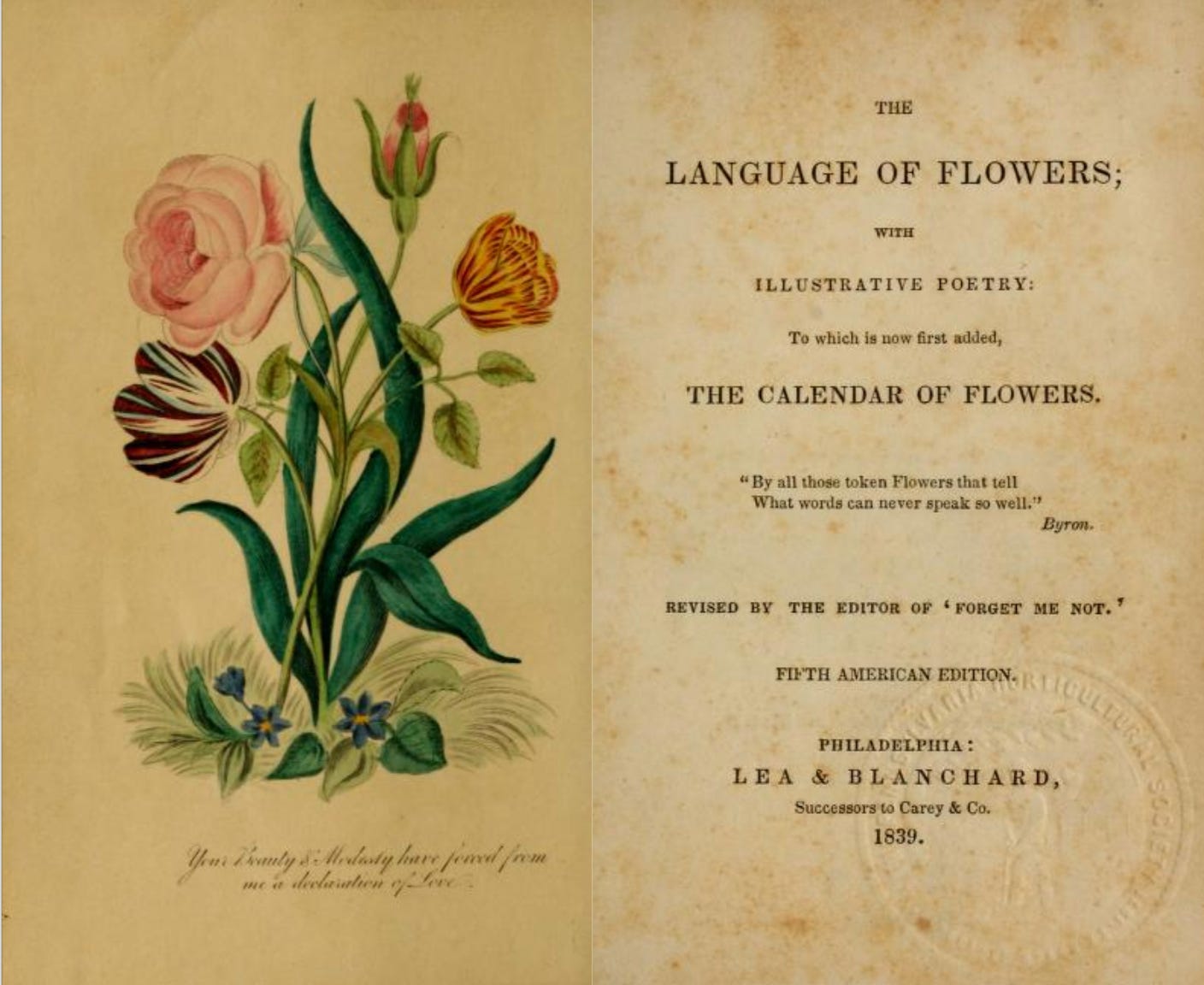
In the language of flowers, Floriography, bouquets carried layered meanings: devotion, longing, admiration… and, just as often, irritation, jealousy, or outright disdain.
A nosegay or bouquet wasn’t simply a gesture it was a message, carefully composed.
Even how it was held mattered. Upright meant one thing; upside down reversed it entirely. Offered in the right hand, it suggested affection returned. In the left, a quieter message of friendship only.
Ribbons, too, carried intention, tied to the left, the sentiment belonged to the giver; to the right, it was meant for the receiver.
Nothing was accidental. Nothing was wasted.
So, for those NOT exactly in your “inner circle”, here’s a small guide to the more cutting, dark side of Victorian blooms.
If a bouquet of bright, beautiful orange lilies turns up at your doorstep, it may not be the gesture you think it is. Lilies, in their more familiar whites and soft tones, are symbols of purity, innocence, and peace but orange lilies tell quite a different story.
In Victorian Floriography, they represent hatred, pride, and contempt. Not exactly the message one hopes for, though undeniably striking all the same.
My good friend Jules, of course, would object immediately she’s never trusted an orange bloom to begin with, and this only confirms her suspicions! You were right all along Jules!
Even worse, if someone gives you fresh cuttings of basil, whether for your pesto or pasta, or even a little pot picked up from the farmers market, this too carries an unexpected message. In Floriography, basil represents hatred, this feels wildly unfair for something so useful and lovely.
If a big, beautiful bouquet of yellow garden roses appears, it means something completely different from the reds, pinks, and whites we so often think of as romantic. Yellow roses signal jealousy and notably, a complete lack of romance. It’s almost a “keep your enemies close” sort of bouquet to the Victorians.
Black dahlias are unmistakably ominous.
Their meaning: betrayal, dishonesty, and doom. One imagines they were delivered with intention, I think just don’t even make eye contact with these dark beauties sadly.

Tansy, so sweet and unassuming, might be the most surprising of all. Its message: “I declare war on you.” A small flower with a remarkably large statement.
Carnations, depending on their shade, could be equally sharp. Yellow signaled disdain and rejection, while striped carnations offered a firm NO! No ambiguity, no softness here.
Sweet Petunias, often overlooked carried anger and resentment. Cyclamen marked a quiet ending: goodbye, resignation. Hydrangeas, lush and generous, suggested vanity or emotional coldness. And rhododendrons, for those in climates where they thrive, came with a warning: beware I am dangerous.
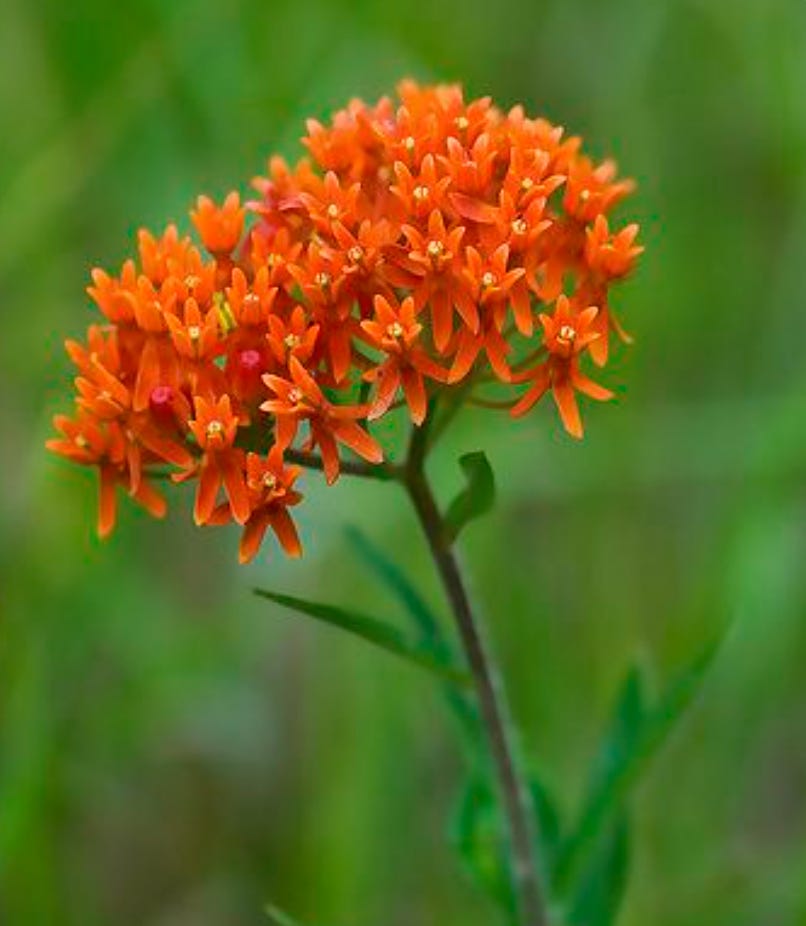
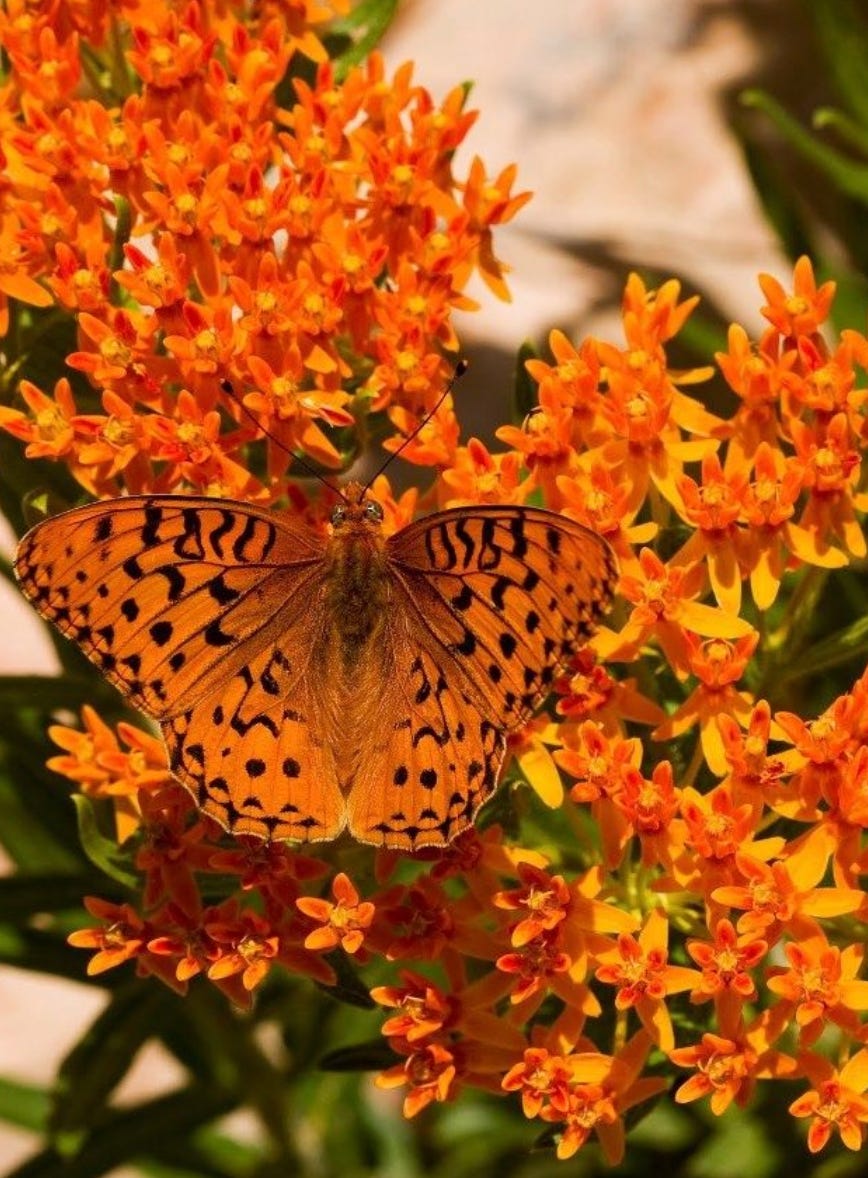
Even butterfly weed didn’t bother with subtlety. Its message was simple and direct: Leave me!
It’s a rather formidable collection, flowers we still call beautiful, carrying meanings that feel anything but gentle.
The Victorians, it seems, mastered the art of saying exactly what they meant… without ever needing to say it aloud.
As for me, I’m not sure I’ll ever look at tansy the same way again.
x
Rebecca
A few meanings, at a glance:
-
Orange Lilies: Hatred, pride, contempt
-
Yellow Carnations: Disdain, rejection, disappointment
-
Black Dahlia: Betrayal, dishonesty, doom
-
Tansy: “I declare war on you”
-
Rhododendron: “Beware” / “I am dangerous”
-
Dark Roses: Death, mourning, deep hatred
-
Petunias: Anger, resentment
-
Buttercups: Ingratitude, childishness
-
Butterfly Weed: “Leave me”
-
Cyclamen: Goodbye, resignation
-
Striped Carnations: Refusal
-
Basil: Hatred
-
Hydrangea: Vanity, coldness
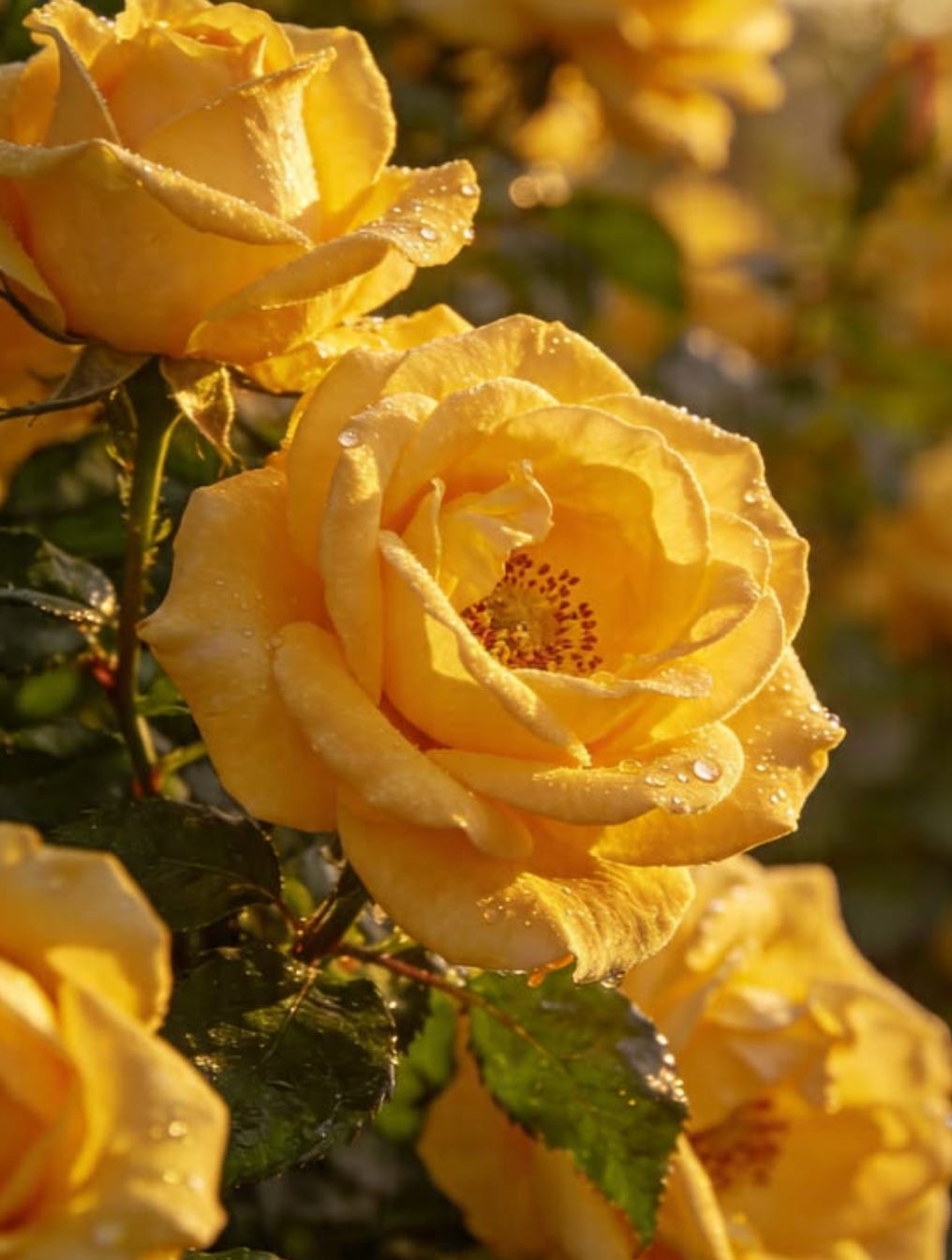
A yellow Rose and Butterfly Weed the beautiful blooms with the dark sentiments.